


Dedicated to machining, laser cladding, production of metallurgical equipment, riveting and welding processes, etc.
Learn More →Product Center
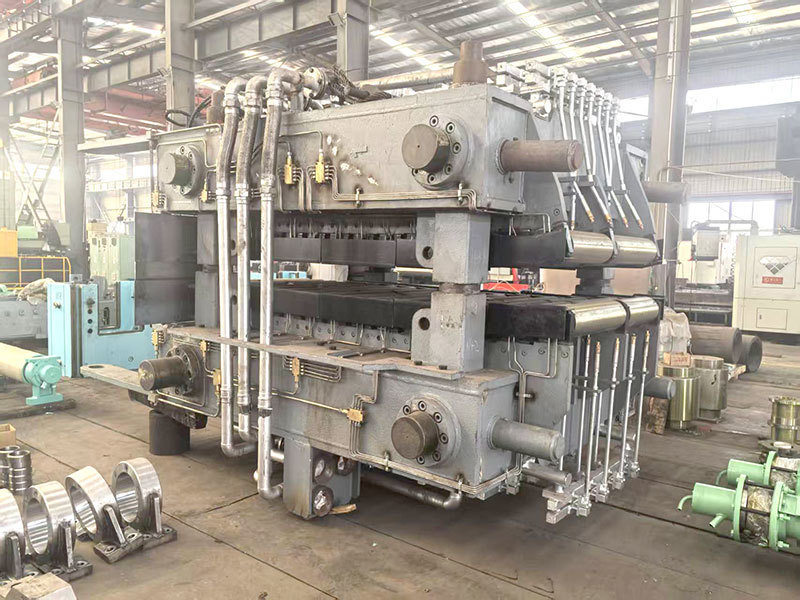
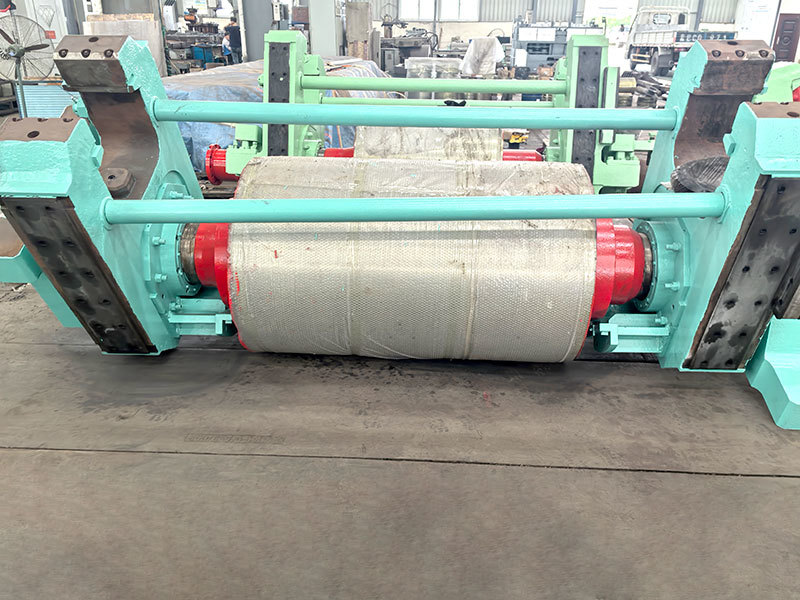
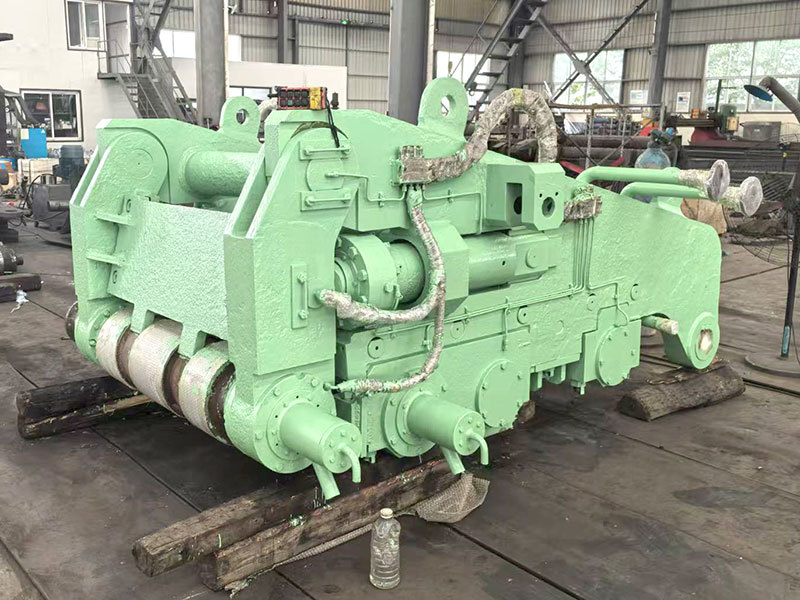
Manufacture and repair of metallurgical and mining equipment, production of various types of riveted and welded parts
Company establishment
Technical Team
Footprint
Industry experience
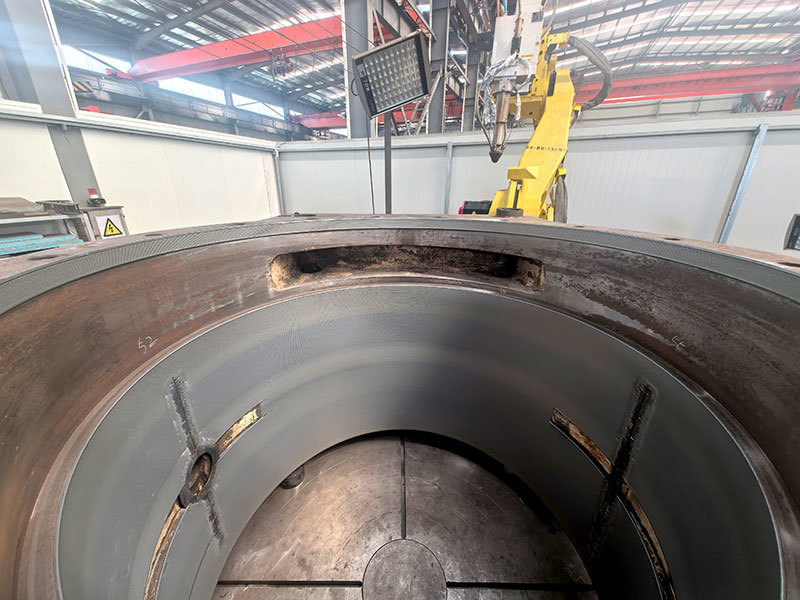
Production of various types of riveted and welded parts, laser cladding, laser alloying to prepare new production, remanufacturing of key structures and components
01
WHO WE ARE?
Tangshan Fangtong Metallurgical Equipment Manufacturing Co.
02
WHAT WE CAN DO?
Engaged in the manufacture and repair of metallurgical and mining equipment
Fangtong Metallurgy
Manufacturing and repair of metallurgical and mining equipment
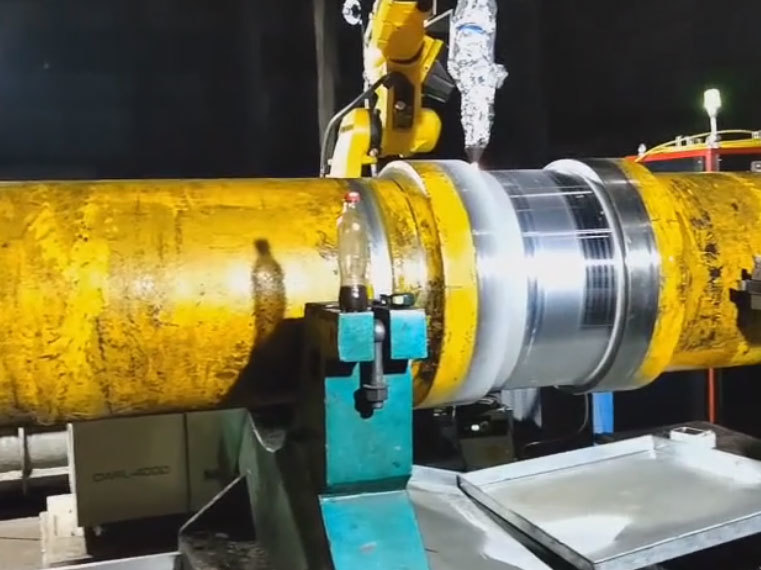
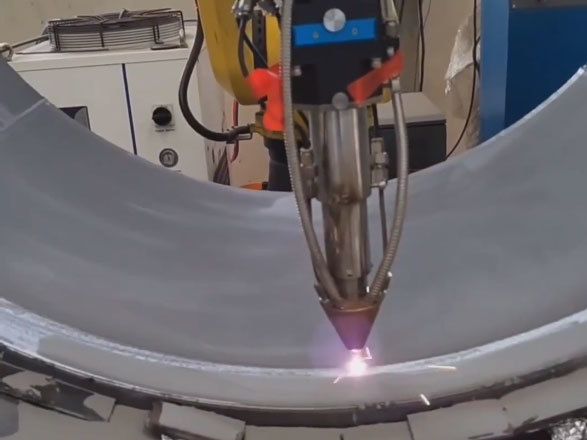
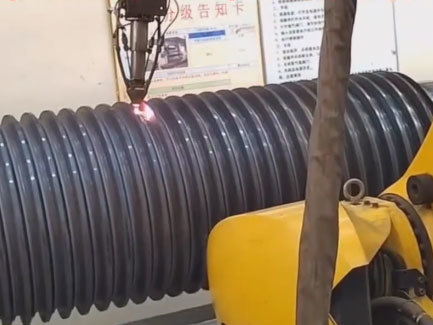
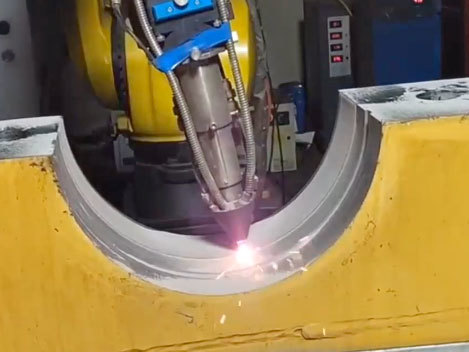
The company was founded in 2006 with a registered capital of 30 million RMB. It mainly focuses on machining and laser cladding. The company has always been adhering to the integrity management, quality first development concept and customer first, technology first development strategy. The company is located in Fengnan District, Tangshan City, small set of industrial area covers an area of more than 50 acres, more than 100 employees, annual sales of 50 million yuan. At present, the company has a variety of high-end equipment such as laser cladding equipment, CNC gantry machining centers, CNC lathes, machining centers, etc. The products include laser cladding, laser additive remanufacturing, metal surface hardening, surface machining, production of metallurgical equipment, large-scale riveting and welding processing. And we will become a national high-tech enterprise in 2019 2024.
CASES
Manufacture and repair of metallurgical and mining equipment, production of various types of riveted and welded parts
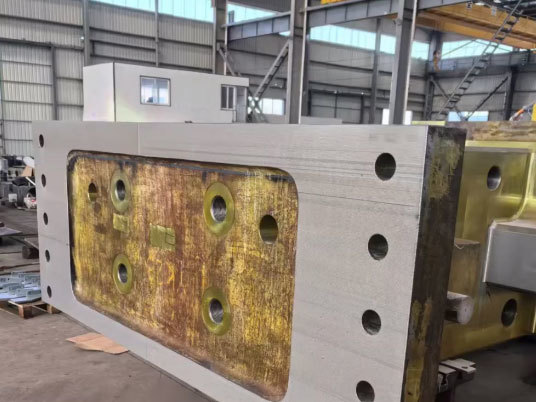
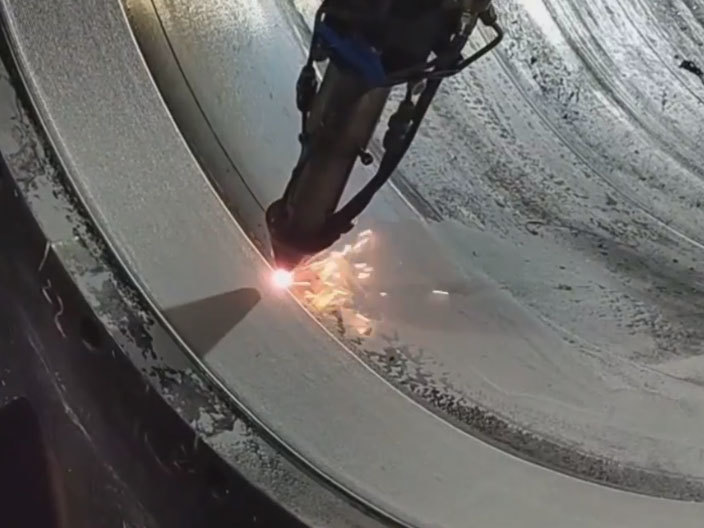
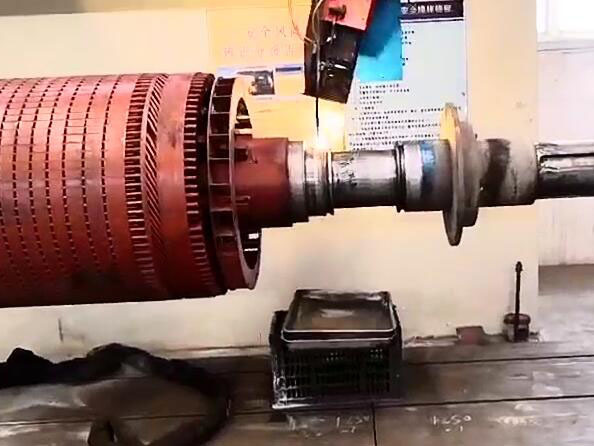
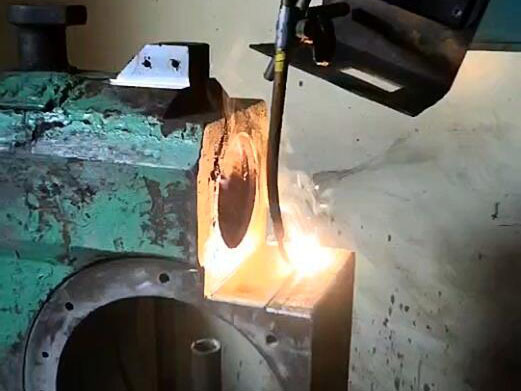
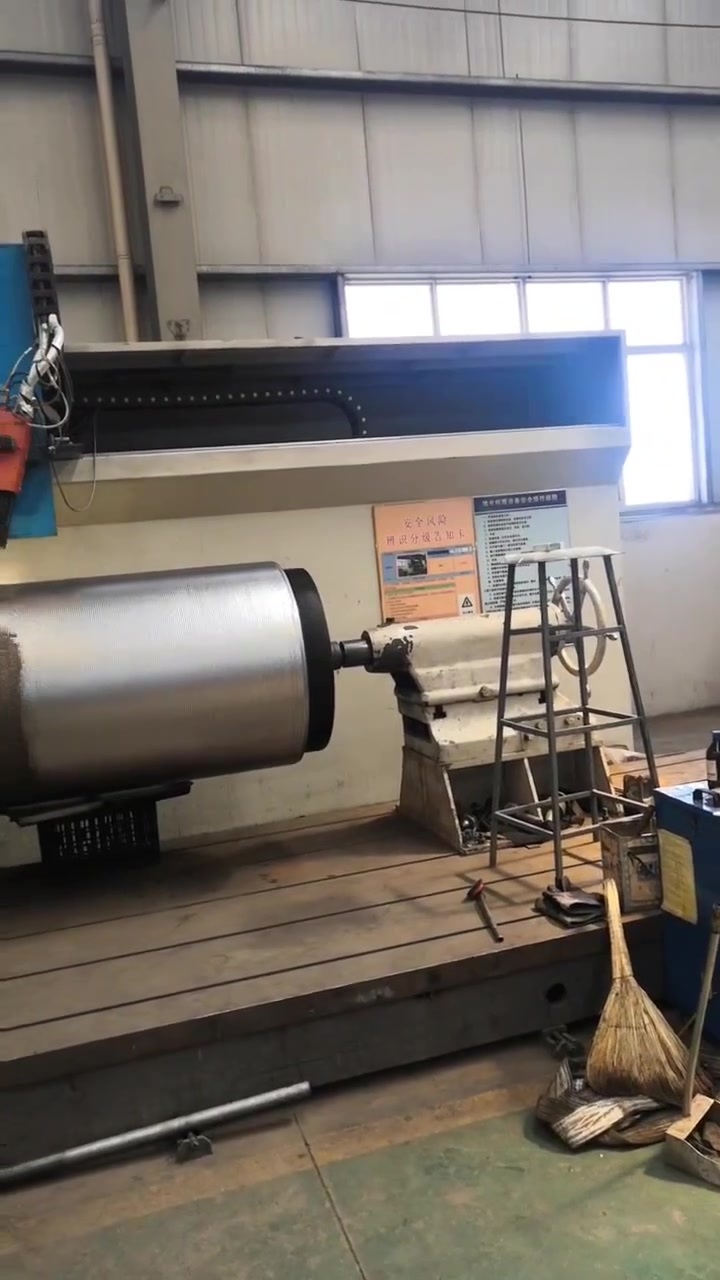
Case Test Information
Case Test Information
Case Test Information
Case Test Information
WHY CHOOSE US
The main application areas cover mining machinery, coal mining machinery, metallurgical equipment, ceramic industry, aerospace, defence and military industry, chemical equipment, automotive, shipping and nuclear power industry.
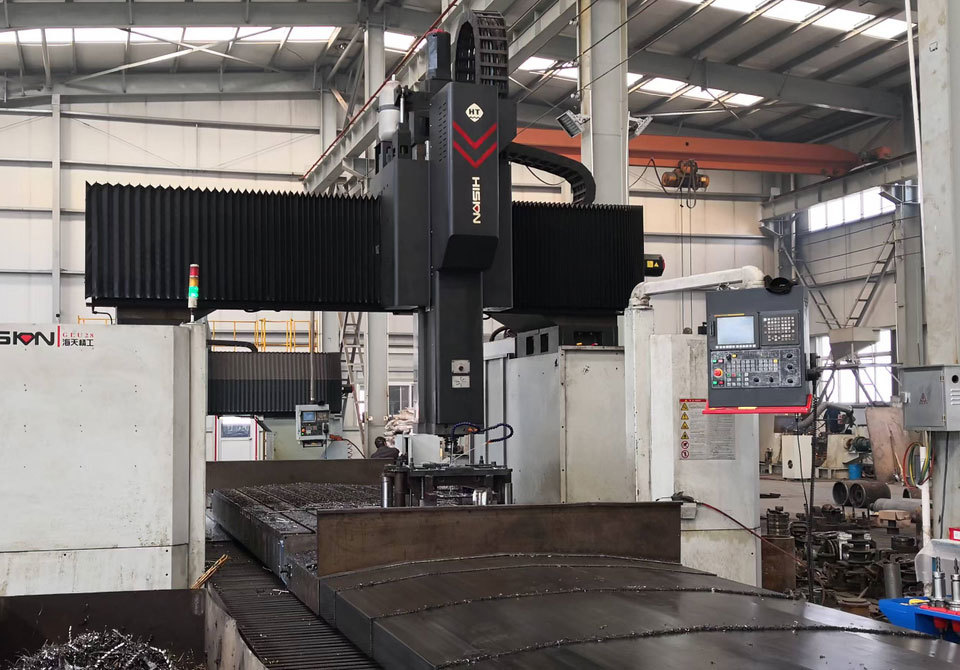
Technical Strength
New and remanufactured products based on new materials with excellent resistance to wear, corrosion and high temperatures
Technical Team
The company has a production technology team of 50 people, with many technical titles and related professional engineers and technicians
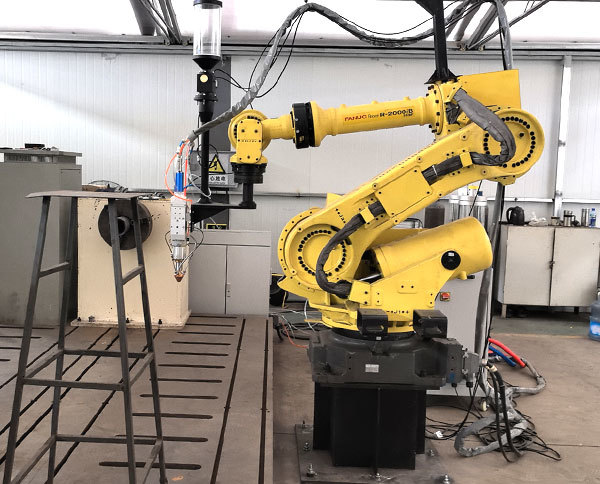
Product quality
With advanced processing equipment and strong scientific and technological strength, we develop stable performance and more applicable metallurgical products.
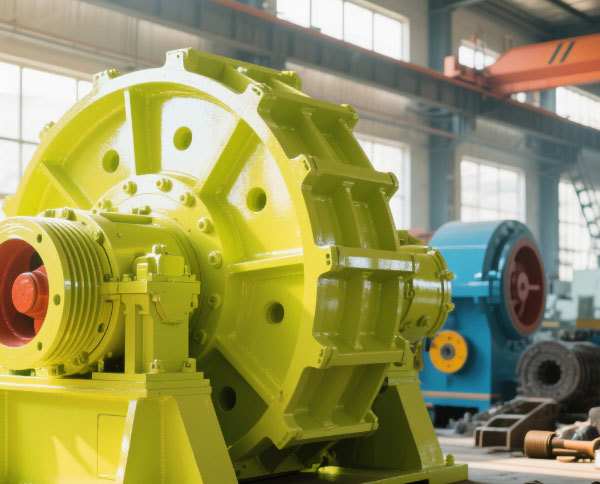
Customers say to us
Listening to the Voice of the Customer

Hear directly from our customers
At present, the enterprise has a production technology team of 50 people, with 2 sets of high-power semiconductor laser cladding complete sets of equipment, 1 set of continuous fiber laser complete sets of equipment, and equipped with 3 sets of large-scale CNC gantry milling machine, 8 sets of machining centers and CNC lathes, 20 sets of grinding, milling and other machining equipment;
Clients in Moscow
At present, the enterprise has a production technology team of 50 people, with 2 sets of high-power semiconductor laser cladding complete sets of equipment, 1 set of continuous fiber laser complete sets of equipment, and equipped with 3 sets of large-scale CNC gantry milling machine, 8 sets of machining centers and CNC lathes, 20 sets of grinding, milling and other machining equipment;
Liaoning Customers
BLOG
News & Media
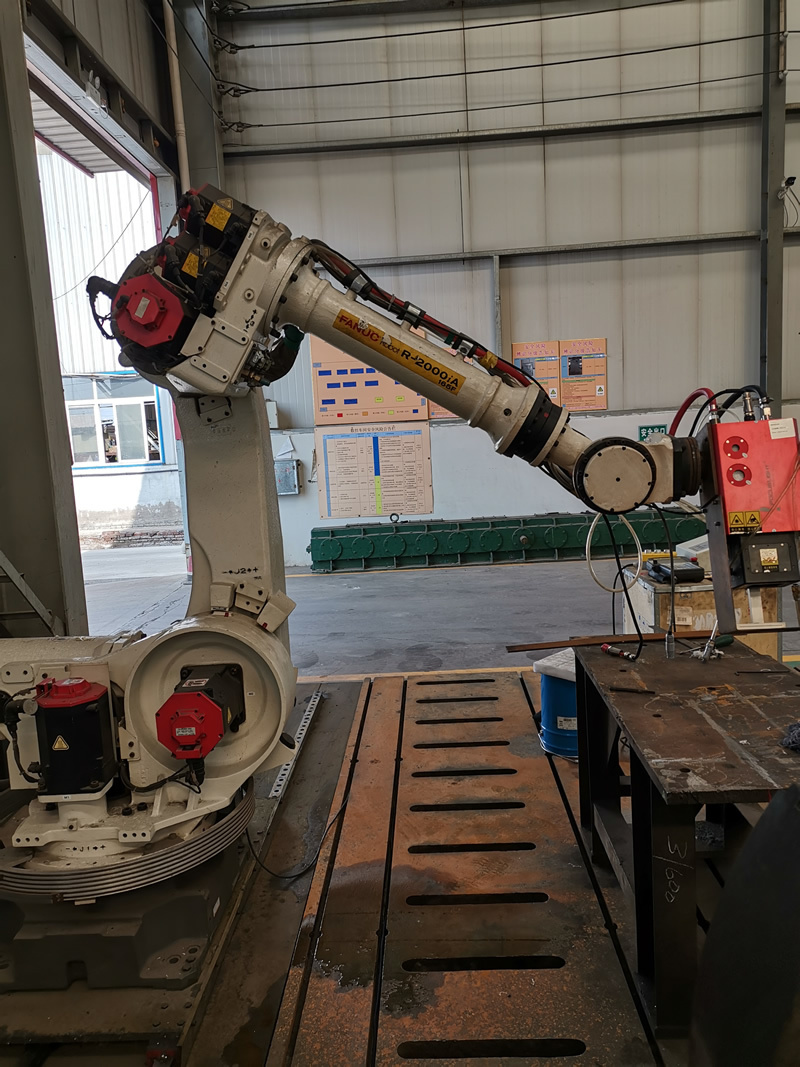
Nov 21,2019
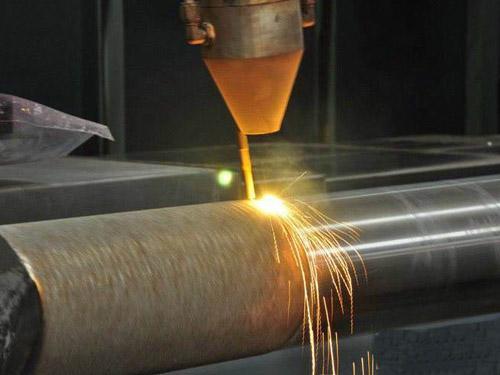
Sep 23,2019
Laser cladding wear resistance test
May 08,2023
What are the more common crushing processes in mineral processing plants?
Apr 13,2023
Roll Crusher Performance and Usage
Need help to find the right solution with our experts?
For inquiries about our products, please leave your E-mail and we will be in touch within 24 hours.
Address: Longfengzhuang Village, Dadi Town, Fengnan District, Tangshan City, China
TEL:0315-8321333 / 18903151848
E-mail:gengkewei@tsfangtong.cn
Website:www.tsfangtong.cn


Get a quote